
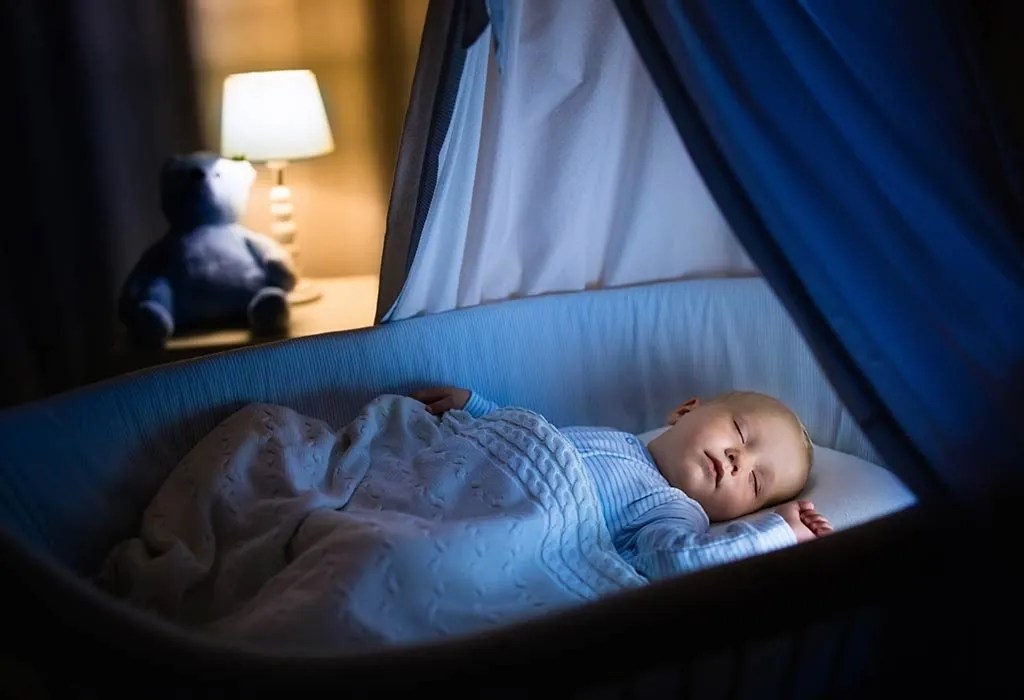
It is recommended that the ideal room temperature for a sleeping baby is between 16c and 20c.
What’s the problem with electric heaters?
- Electric heaters have a built-in temperature control. This means that the temperature the heater experiences does not reflect the overall room temperature and where your baby is sleeping.
- Generally, in-built thermometers are programmed to turn the heater on 1c below your desired temperature and to turn off 1c above, meaning that there is a 2c fluctuation in temperature.
Together, these problems mean that some parts of your room get too hot whilst other parts of the room are too cold. Keeping a comfortable and safe temperature can be tricky.
How to keep the perfect temperature using an electric heater
The way I solve this is by using an external thermometer that plugs into your electric heater. This solution works because:
- You choose where to place the thermometer. E.g. on the far side of your room and closer to where your baby sleeps.
- You set the temperature range for when it turns on and off, meaning you can reduce the temperature fluctuation to 0.5c either side of your desired temperature (so only a 1c fluctuation)
Whilst this many not sound like major changes, we have found that the temperature in our room is more constant and comfortable.
Remember that if you feel slightly warm or cool, you can regulate your own temperature by taking off your top/ grabbing a blanket/ sticking a leg out the bed etc, however your baby cannot do any of these things so a constant temperature in the room is ideal.
Which heaters does this work with?
This method only works with some types of heaters and I will explain why. Many heaters have two steps to turn them on: First, they are switched on at the wall. Second, you need to manually press a button on the heater for it to power on.
Using an external thermometer to set the temperature of your heater means that this will only work with heaters that do not have the second step to turn it on.
Here is an example of a heater that will NOT work with an external thermometer.
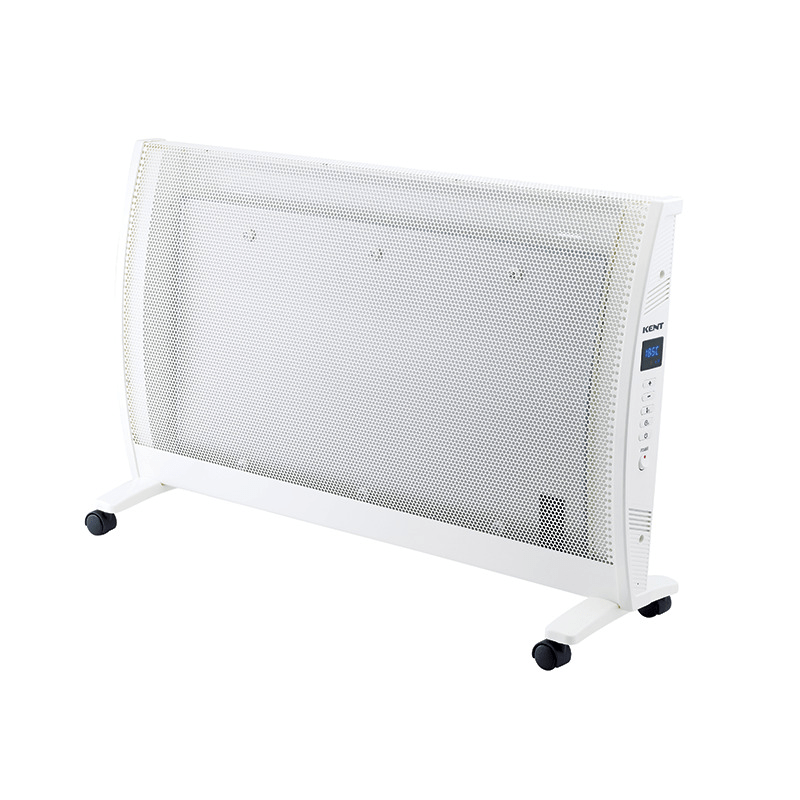
As you can see, there is an additional power button on the side of the heater. If you set your room temp to be 18c, the external thermometer will turn your heater off once it gets to 18.5c so that the room doesn’t get too hot. When the room temperature drops to 17.5c, the thermometer will turn your heater back on. However, it will not turn on because you need a person to press the additional power button.
Here is an example of a heater that WILL work with an external thermometer.
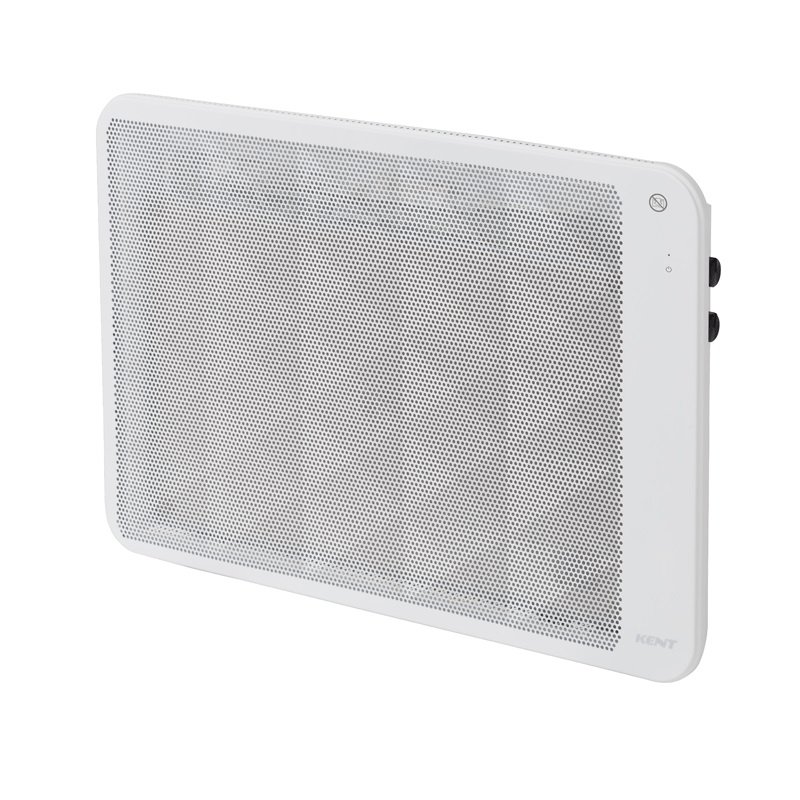
There is no extra power button to turn this heater on, so your thermometer is able to turn the heater off and on at the right time according to the temperature you have set. This is important because the external thermometer will be forcing the heater to turn off and on by cutting the power.
TLDR: You need a heater that doesn’t have a manual power button. Connect it to an external room thermometer.
This is the exact set up that we use in our baby’s room:
Heater: Kent Micathermic Panel Heater 2kW (lots go by the same name so make sure it doesn’t have the buttons as discussed!)
https://www.mitre10.co.nz/shop/kent-micathermic-panel-heater-2kw/p/297052
External thermometer: Tech.Inc Thermometer Thermostat Timer Plug
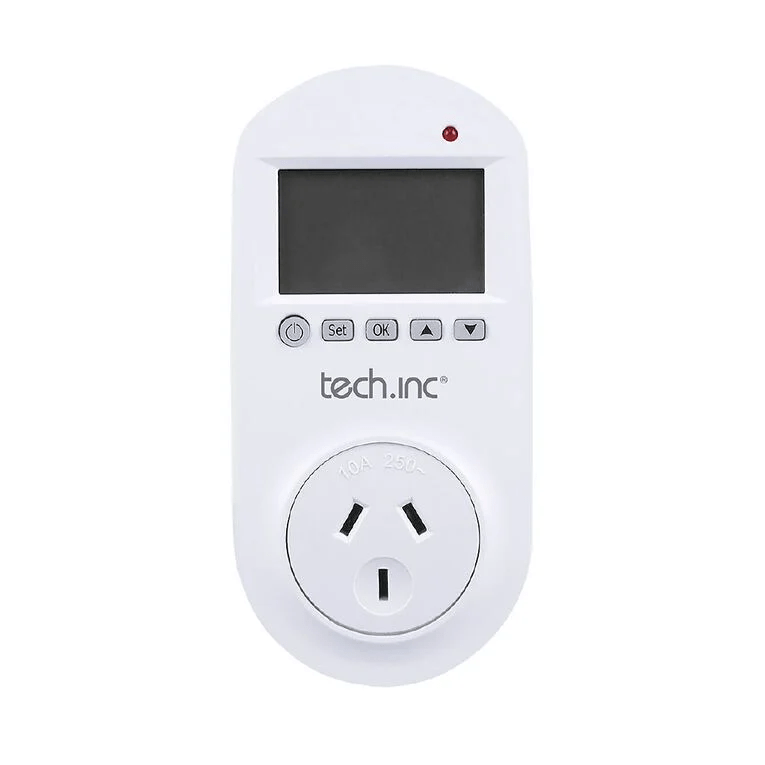
lhttps://www.thewarehouse.co.nz/p/tech.inc-thermostat-timer-plug/R2778398.html
Feel free to shop around as there’s probably lots of different options but these work great for us and you can buy them locally.
 Wellington Pregnancy Blog
Leave a comment